You can feel the difference within five minutes of arriving.
In most of Belize, waterfront living is wonderfully raw – mangroves, skiffs, and a quiet kind of freedom. But when you start shopping for property as a second-home buyer or investor, that same “anything goes” energy can turn into a question you can’t ignore: what will this shoreline look like in five years, and will my home still feel like a smart decision?
That question is exactly why the idea of a master planned community Belize buyers are seeking has become so compelling. Not because people want a cookie-cutter version of the Caribbean, but because they want the Caribbean without the avoidable downside: unpredictable neighboring builds, inconsistent access, and a lack of standards that can chip away at long-term value.
What a master planned community in Belize really is
A master planned community in Belize is a large, intentionally designed development where the land, infrastructure, access, waterfront use, and building rules are created under one cohesive plan. In practical terms, it means the big decisions are already made: road layout, drainage, utilities planning, lot orientation, canal or marina design (if it’s waterfront), and the rules that shape what gets built next to you.
For buyers coming from the US or Canada, the appeal is familiar: you get a neighborhood that feels finished over time, not a patchwork. But in Belize, the value is even more pronounced because planning isn’t just about aesthetics. It’s about function.
When the plan is done right, you’re buying into predictability – the kind that protects your lifestyle and your exit options.
Why Belize makes planning matter more than you expect
Belize is simple in the ways you want and nuanced in the ways you need to respect. Weather, tides, shoreline stability, and access routes all have real consequences for daily living and for rental performance.
A master plan can solve problems before they ever reach your doorstep. Thoughtful elevation planning reduces flooding risk. Proper drainage and road engineering matters during heavy rains. A well-designed canal system changes boating from “possible” to “easy.” And a coherent community layout can make security feel calm rather than intrusive.
There’s also the market reality: Belize has plenty of gorgeous property, but not all of it is equally marketable when you decide to rent or sell. Buyers and renters tend to pay a premium for places that feel organized, safe, and effortless – especially when they’re booking from thousands of miles away.
The lifestyle upside: why people choose planned over “wild”
There’s nothing wrong with buying an off-grid slice of paradise if you truly want solitude and you enjoy managing projects. But many buyers don’t want a second job. They want a place that works from day one, even if they only use it part time.
In a strong master planned community, you’re not just buying a lot. You’re buying smoother arrivals, easier maintenance, and a neighborhood rhythm that makes it natural to lock up and leave, then come back to the same calm.
The best communities also balance privacy with belonging. You can have your own waterfront, your own boat lift, your own sunrise routine – without feeling isolated when you want a dinner out, a neighbor who can recommend a contractor, or a gated entrance that keeps the atmosphere quiet.
The investor lens: value protection beats wishful appreciation
If you’re evaluating Belize through an investment lens, the most important word isn’t “luxury.” It’s “liquidity.”
Liquidity in Belize comes from confidence: a future buyer believes the area will stay desirable, access will remain reliable, and the neighborhood won’t be undermined by unpredictable development next door.
That’s where planning and standards do their best work. Balanced building standards (not extreme, not chaotic) keep the community visually cohesive and protect views, setbacks, and overall quality. That’s not about restricting your dream. It’s about preventing someone else’s short-term decision from becoming your long-term problem.
Short-term rentals are another deciding factor. Some communities quietly discourage them, which can limit your options. Others allow them in a way that supports the ecosystem: good guest experience, strong resale story, and owners who can offset carrying costs.
When Belize’s low property taxes and no capital gains tax are part of your equation, it’s even more important to choose a location where demand stays durable. Tax advantages don’t help if the neighborhood loses its shine.
Waterfront planning: canals, bays, and the safe-harbor factor
Waterfront is the dream. Waterfront that actually functions is the win.
In Belize, “waterfront” can mean very different things: open sea exposure, lagoon frontage, river edges, or engineered canal systems. Each has trade-offs.
Open water can be breathtaking, but it can also be more exposed, with more weather impact and sometimes less predictable docking conditions. A well-designed canal community can offer protected boating and direct access, but only if the canals are wide enough, the turns are workable, and the overall system is engineered for real use – not just a brochure photo.
One of the most overlooked advantages in a master planned community Belize buyers should prioritize is a naturally protected safe-harbor location. Protection changes everything: you boat more often, you worry less, and your property feels usable year-round. It also tends to translate into stronger buyer confidence, which matters when you eventually sell.
What you give up: the honest trade-offs
Planning comes with rules. That’s the point.
You may have limitations on architecture style, minimum sizes, setbacks, fencing, or exterior materials. The upside is value protection and neighborhood consistency. The downside is you can’t do absolutely anything you want.
You also buy into a timeline. Master planned communities are typically built in phases. That can be a positive if you’re buying early, because you often benefit from early pricing and future amenities. But it also means you need to be comfortable with ongoing construction activity in certain areas as the community grows.
Finally, there’s the cost of quality. Well-engineered infrastructure, gated entrances, canal systems, and thoughtful planning aren’t free. The question isn’t whether it costs more than raw land. The question is whether the premium buys you fewer headaches, better rental potential, and a more defensible resale position.
How to evaluate a master planned community in Belize
Start with the unglamorous questions. They’re the ones that determine whether your life will be easy.
Ask how you get there, not just where it is. Drive time to the international airport matters, especially if you’re planning frequent trips or a vacation rental strategy. Ask about the main road access and whether that route stays reliable year-round.
Then study the water. If it’s canal-front, ask about canal width and turning radiuses, and whether the location is protected in rough weather. If it’s bayfront, ask what protects the shoreline and what your docking options look like.
Next, read the building standards with the eyes of a future buyer. Do they protect the community’s look without being suffocating? Do they encourage quality construction? Do they protect waterfront usability and setbacks? Great standards feel like a safeguard, not a punishment.
Then look at the development vision. Is it purely residential, or will there be commercial elements that add convenience and demand? Are there gated residential enclaves or neighborhood divisions that create quiet pockets while still supporting community momentum?
Finally, ask how the developer supports you after you buy. Many foreign buyers want guidance, not guesswork. The best operations can point you toward reputable architects and contractors and explain a clear path from lot purchase to build to rental readiness.
A real-world example of the model done right
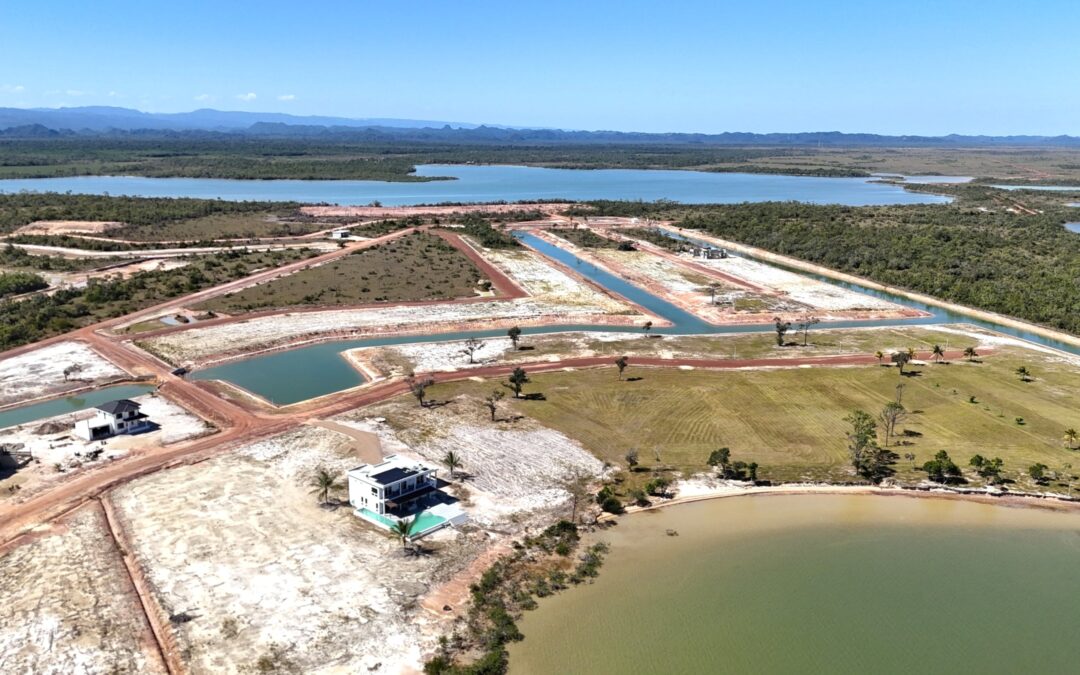
If your ideal is direct-waterfront living inside a cohesive plan – with protected boating conditions, oversized canal-front lots, and a community designed to support full-time living, retirement, or vacation rental income – Coconut Point Belize is built around that exact promise. It’s a 220-acre inland island within a 9,000-acre nature sanctuary, with wide canals designed for real boating use, a secure community layout, and phased releases that create the kind of scarcity and momentum serious buyers watch for.
Who this is best for (and who should think twice)
A master planned community in Belize is a natural fit if you want waterfront access without managing infrastructure drama, if you care about neighborhood quality five to ten years from now, or if you want a rental-friendly setup that feels premium to guests.
You should think twice if your dream is total creative freedom, if you enjoy building in a completely unstructured setting, or if you want to buy the cheapest land possible and don’t mind that future development around you is an unknown.
Neither choice is “better.” It depends on whether your priority is freedom at any cost, or certainty with upside.
The most satisfying Belize purchases tend to happen when expectations match the environment. Choose the version of Belize you actually want to live with, not just the version that looks best in photos.


