
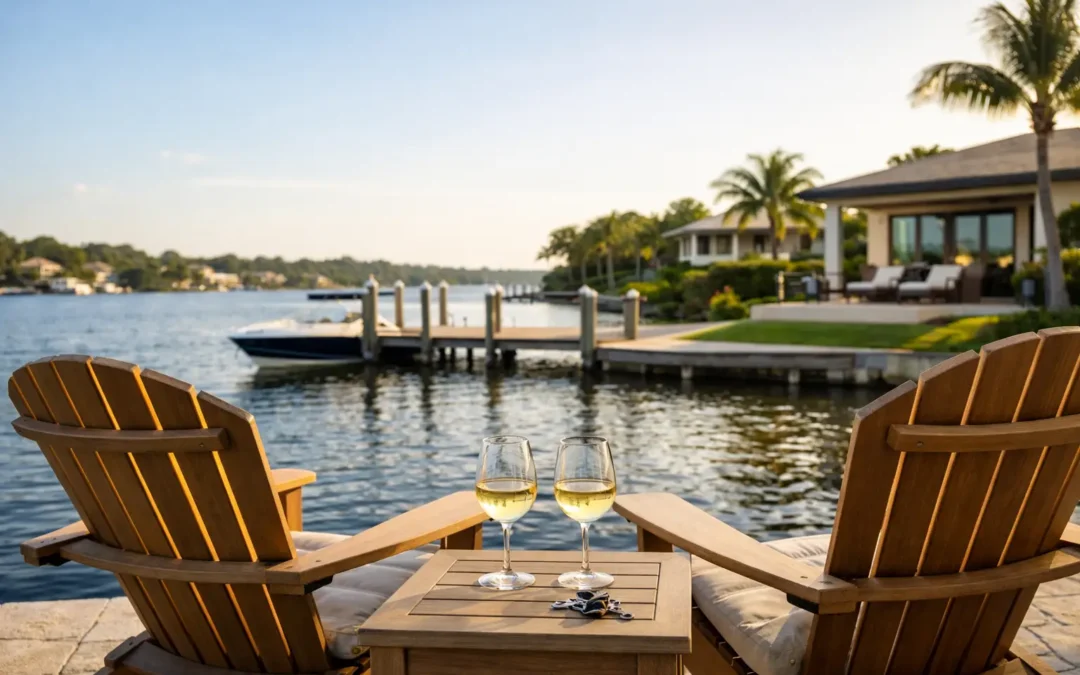
Retirement looks different when your morning starts on the water instead of in traffic. That is the real appeal of waterfront retirement property – not just the view, but the shift in pace, privacy, and daily life. For many buyers from the US and Canada, the question is no longer whether to own in the Caribbean. It is whether the property they choose will still feel like a smart move ten years from now.
That is where many dream purchases fall apart. A beautiful shoreline lot can still be exposed, isolated, hard to build on, or limited in its resale appeal. A retirement property needs to do more than impress on day one. It should support the life you want now, protect value over time, and give you options if your plans evolve.
What makes waterfront retirement property truly work
The best retirement properties are not simply waterfront. They are livable, protected, and positioned for long-term demand. Buyers often begin with emotion, which is natural. You picture a dock behind your home, warm weather year-round, and enough space to breathe again. But the strongest purchases combine that emotional payoff with practical advantages.
Protected water access matters more than many buyers realize. Open-exposure waterfront can look spectacular in photos, but boating conditions, storm exposure, and maintenance concerns can change the experience quickly. A naturally sheltered harbor setting, or canal-front access connected to protected waters, creates a more usable lifestyle. It is easier to enjoy, easier to dock, and often easier to insure and maintain over time.
Lot size also matters. Retirement living sounds simple, but most buyers still want flexibility. They may want a guest casita for visiting family, space for outdoor entertaining, a pool, or a larger single-level home designed for aging comfortably. Oversized waterfront homesites give you room to build for the life you actually want instead of forcing compromises later.
Then there is the community itself. A retirement home in a loosely planned area may offer freedom, but it can also leave you exposed to inconsistent neighboring builds, unpredictable resale conditions, or infrastructure that never quite catches up. Balanced building standards are not a restriction in the wrong sense. In the right development, they are a form of value protection.
Why location matters more in retirement
When people picture retirement abroad, they often imagine escape first and logistics second. That can be a mistake. The right location should feel private without being difficult. It should offer natural beauty, yes, but also straightforward access to an international airport, nearby services, and a buying process that does not feel unnecessarily complicated.
Belize continues to stand out for this reason. It offers Caribbean waterfront living with English as the official language, straightforward foreign ownership, and favorable tax advantages that appeal to both lifestyle buyers and investors. For retirement buyers, that mix is powerful. You are not just purchasing scenery. You are buying into a place that remains approachable.
The strongest opportunities within Belize tend to be those that blend privacy with access. A waterfront community set within a nature-rich environment, but still within practical reach of the international airport, gives you the sense of getting away without feeling cut off. That balance becomes even more important as retirement progresses and convenience starts to matter as much as beauty.
Waterfront retirement property should protect lifestyle and value
A retirement purchase is personal, but it is still a real estate decision. That means value protection deserves just as much attention as the view.
One of the clearest signals of long-term strength is a master-planned setting with a coherent vision. When a community is thoughtfully designed, with secure access, controlled standards, and phased expansion, buyers gain more confidence in what the area will become. That confidence supports demand, which matters whether you plan to hold forever, pass the property on, or eventually resell.
Rental permissiveness is another overlooked advantage. Many retirement buyers assume they only need a home for personal use, but life changes. You may use the home seasonally before moving full time. You may want to offset carrying costs while still working. You may spend part of the year traveling. A waterfront property that allows short-term rentals gives you flexibility without forcing a separate investment purchase.
That flexibility is especially compelling in tourism-driven Caribbean markets. If the property is in a desirable waterfront location with protected boating, privacy, and strong planning, it can serve three roles over time – retirement home, second home, and income-producing asset. That is not just convenient. It is strategic.
The difference between generic waterfront and planned waterfront
Not all waterfront is equal. This is where experienced buyers start asking better questions.
Is the water actually usable, or is it mainly visual? Is there enough frontage to create a strong sense of ownership and privacy? Does the lot shape support a functional home design? Will the surrounding area lift your value or dilute it? These are the details that separate a compelling brochure from a compelling investment.
Within a community like Coconut Point Belize, those distinctions become clearer. Direct-waterfront homesites on wide canals and bayfront settings offer more than proximity to water. They offer a boating-oriented lifestyle in a naturally protected environment, set inside a larger sanctuary landscape that preserves the feeling buyers are trying to secure in the first place. That kind of setting is difficult to replicate, which is one reason scarcity matters here.
Phased sell-through also tells a story. When early releases are absorbed and later phases continue to attract buyers, it suggests the market sees both lifestyle appeal and future upside. Retirement buyers should pay attention to that. You are not trying to buy the cheapest waterfront available. You are trying to buy the right waterfront while value is still compelling.
How to judge a waterfront retirement property before you buy
The smartest buyers look at retirement property through two lenses at once. First, can I picture my life here? Second, if plans shift, will this still be a high-quality asset?
Start with the day-to-day experience. Can you comfortably access the property from the airport? Is the setting calm and secure? Will you enjoy being there full time, not just for a week? Does the waterfront support boating, kayaking, paddleboarding, or simply the peace of living by the water? Retirement is made up of ordinary days, so the ordinary experience matters.
Next, consider the build process. Raw waterfront can be exciting, but buyers often underestimate how much easier the process feels when there is an established development framework and trusted referrals to architects and contractors. If the community is designed to help owners build with confidence, that reduces friction and often improves the final product.
Finally, study the numbers in context. Price per square foot matters. Price per linear foot of waterfront matters too, often even more. Closing cost structure matters. Ongoing taxes matter. If a development combines competitive waterfront pricing with included transaction costs and low annual holding costs, that materially improves the value equation.
Why this category is gaining attention now
Waterfront retirement property is drawing more serious interest because buyers are rethinking what retirement should provide. It is no longer just about downsizing into a quiet home. Many want a place that feels expansive, health-oriented, and connected to nature, while still holding clear investment logic.
Caribbean waterfront communities that check both boxes are limited. Fewer still offer all sites on the water, protected boating conditions, meaningful lot sizes, and a master-planned approach designed to preserve long-term appeal. That is why the best opportunities tend to move in phases. Once buyers recognize the combination of lifestyle, scarcity, and value, they act.
There is also a growing preference for optionality. Buyers in their 50s and 60s may not move full time immediately. They want a property they can secure now, enjoy seasonally, rent when useful, and grow into over time. That makes a well-positioned waterfront homesite particularly attractive. It gives you a foothold in the life you want without forcing every decision at once.
Waterfront retirement property is about freedom, not just scenery
The strongest retirement purchase is the one that keeps opening doors. It lets you live on the water, host family with ease, enjoy nature daily, and retain confidence that your property sits in a market with staying power. It should feel like a reward, but also like foresight.
That is why smart buyers look beyond the postcard view. They look for protected waterfront, a secure and thoughtfully planned setting, strong accessibility, and the freedom to build, live, or earn as their life evolves. When those elements come together, retirement property stops being a distant idea and becomes something much more valuable – a place in the sun that still makes sense on paper years from now.


