A few years ago, many buyers looking at Caribbean property were willing to trade protection, infrastructure, or resale logic for a pretty shoreline. That calculation is changing. Belize waterfront real estate market trends now show a much sharper market – one where buyers want beauty, yes, but they also want protected boating, controlled community planning, rental flexibility, and pricing that still leaves room for appreciation.
That shift matters because Belize is no longer being viewed only as a lifestyle purchase. For American and Canadian buyers, it is increasingly a strategic one. The right waterfront property can serve as a second home, a retirement plan, and an income-producing asset at the same time. The wrong one can still leave an owner with maintenance headaches, storm exposure, or a location that looks good in photos but underperforms when it is time to rent or resell.
What Belize waterfront real estate market trends are showing now
The strongest trend is selective demand. Buyers are not chasing waterfront in a broad, indiscriminate way. They are paying closer attention to what kind of waterfront they are buying and whether the setting supports long-term use.
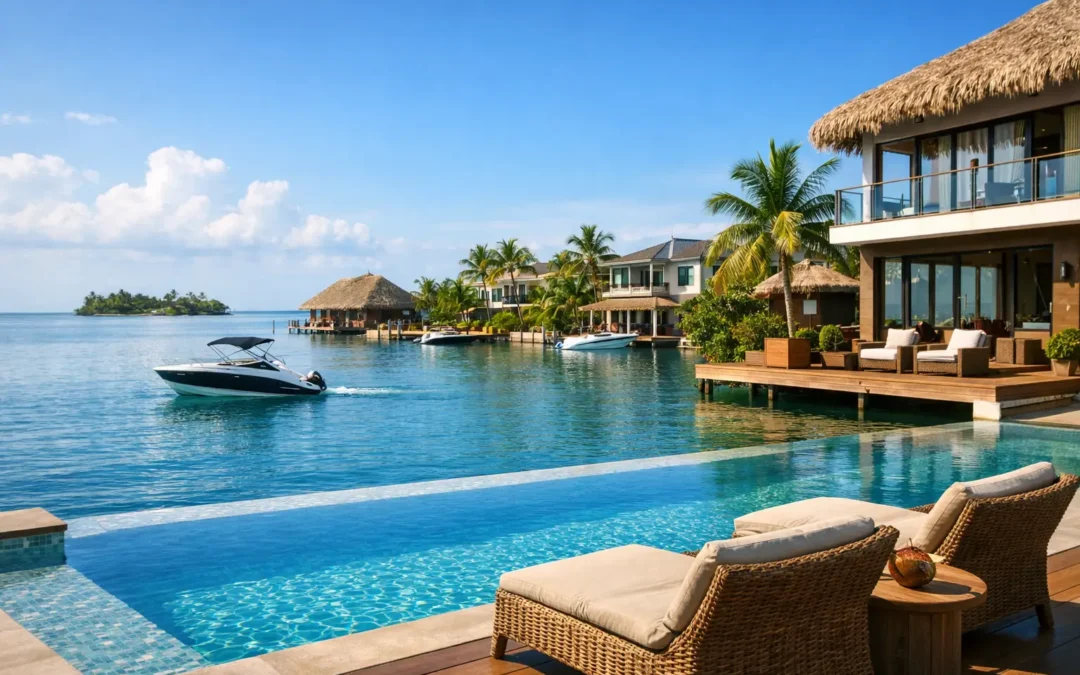
That distinction is shaping pricing across the country. Open-exposure frontage can still attract interest, especially from pure lifestyle buyers, but protected waterfront has become more compelling for those thinking like investors. Canal-front and bayfront properties with calmer boating conditions, practical dock potential, and easier day-to-day use are drawing more serious attention because they offer more than scenery. They offer functionality.
Another clear trend is that planned communities are gaining an edge over isolated lots. In earlier cycles, some buyers were comfortable taking on the uncertainty of a stand-alone parcel. Today, many want confidence that neighboring homes will support property values rather than undermine them. Building standards, phased development, gated sections, and a coherent land plan are no longer extras. They are part of the value equation.
Inventory quality is also becoming more important than raw inventory volume. Belize still presents compelling opportunities compared with many Caribbean markets, but buyers are moving faster on waterfront properties that combine access, infrastructure, and scarcity. In other words, not all waterfront is appreciating for the same reasons.
Why protected waterfront is outperforming exposed frontage
There is a practical reason protected waterfront is getting more attention. Owners want to use their boats, not just admire them from a deck. Calm canals, inland bays, and naturally sheltered harbor environments create a different ownership experience than lots facing rougher open water.
That affects marketability. A waterfront lot that supports easier docking, safer storage, and more predictable boating conditions has broader appeal across retirees, second-home owners, and vacation-rental investors. It is easier to explain, easier to enjoy, and often easier to resell.
This is where nuance matters. Open-water frontage can still command premium pricing in certain trophy locations, especially where views are the primary driver. But for buyers focused on actual day-to-day use and risk-adjusted value, protected waterfront often makes more sense. It tends to be less romantic in a brochure and more rewarding over time.
Buyers want lifestyle, but they are buying with discipline
The emotional pull of Belize remains strong. Warm weather, English-speaking ease, Caribbean water, and a slower rhythm of life continue to attract relocation buyers and second-home shoppers. But the market has matured enough that emotion alone is rarely closing the deal.
Today’s buyer wants a place that feels private and natural without feeling remote in the wrong way. Access to an international airport matters. Road improvements matter. Proximity to services matters. A beautiful property that is difficult to reach or lacks a coherent surrounding plan may still sell, but it faces more scrutiny than it once did.
Retirement buyers are especially focused on ease. They want simple ownership, low carrying costs, and the confidence that they can build when ready. Investors, meanwhile, are studying whether the property can perform as a short-term rental in a market supported by tourism demand. Properties that can satisfy both profiles are becoming increasingly valuable because they appeal to more buyers at resale.
The rise of rental-friendly waterfront communities
One of the more important Belize waterfront real estate market trends is the growing premium placed on communities that allow short-term rentals rather than restrict them.
That does not mean every buyer plans to become an active host. It means flexibility has value. If a buyer wants to use the home seasonally and rent it while away, the option supports carrying costs and expands the property’s financial logic. Even owners who never intend to rent often prefer buying in a market where future buyers will have that option.
This is especially relevant in Belize, where tourism remains a key demand driver. A waterfront homesite in a setting designed for vacation appeal, with boating access, nature surroundings, and a clear community identity, has a stronger path to income production than a lot in a fragmented area with no cohesive guest experience.
Of course, rental friendliness only works well when paired with standards. A community that allows rentals but lacks architectural discipline or overall planning can create wear on the owner experience. The sweet spot is a place where rental use is welcomed, but the environment still feels protected and curated.
Price-per-foot is getting more attention
Savvy buyers are no longer looking only at headline prices. They are comparing waterfront value more precisely, especially in relation to lot size, waterfront width, and what is included in the purchase.
This is one reason oversized homesites and generous canal width are attracting interest. Buyers understand that usable space, privacy between homes, and substantial waterfront frontage contribute to future desirability. A cheaper lot can quickly become less compelling if it feels compressed, lacks meaningful waterfront access, or sits in a setting with no safeguards for future neighboring development.
Closing structure matters too. In a market where cross-border buyers are already calculating taxes, legal fees, and build costs, transparency becomes part of the value story. Projects that reduce friction and simplify the ownership process hold an advantage because they remove uncertainty at the moment when many foreign buyers are deciding whether to move forward.
Why master-planned waterfront is standing out
Across Belize, the best-performing opportunities are often the ones that combine natural setting with disciplined planning. That balance is not common, which is exactly why it stands out.
A master-planned waterfront community offers several layers of protection. It helps preserve visual quality, supports resale values through building standards, and creates a more consistent ownership experience. It can also support livability in ways scattered inventory cannot, especially as commercial conveniences and gated residential enclaves are added over time.
For buyers who are thinking five or ten years ahead, that matters. Appreciation is rarely driven by water alone. It is driven by water plus scarcity, access, usability, and confidence in what the surrounding environment will become.
That is part of what makes thoughtfully planned developments so compelling in this cycle. They are not selling an isolated parcel. They are selling a future community with a clear identity. In the right location, that can be a powerful driver of both lifestyle satisfaction and asset performance.
One example is Coconut Point Belize, where direct-waterfront homesites inside a secure, nature-rich setting reflect exactly where buyer preferences are moving – toward protected boating conditions, oversized lots, rental flexibility, and a stronger long-term value framework.
What buyers should watch over the next 12 to 24 months
The next phase of the market will likely reward selectivity even more. As international interest continues, well-positioned waterfront inventory should tighten first, particularly properties that combine protected location, coherent planning, and practical access to Belize City and the international airport.
That does not mean every waterfront segment will rise at the same pace. Some areas may remain highly lifestyle-driven and less predictable from an investment standpoint. Others may see stronger demand because they answer the modern buyer’s full checklist – privacy, nature, rental potential, low carrying costs, and a setting that feels exclusive without being disconnected.
For serious buyers, the better question is no longer whether Belize waterfront is attractive. That is already established. The real question is which kind of waterfront is most likely to hold attention, support enjoyment, and preserve pricing power as the market becomes more informed.
The answer usually points to rare places where calm water, smart planning, and Caribbean beauty meet in the same address. If you are watching the market with both heart and discipline, those are the opportunities worth moving on before they become the obvious ones.


