
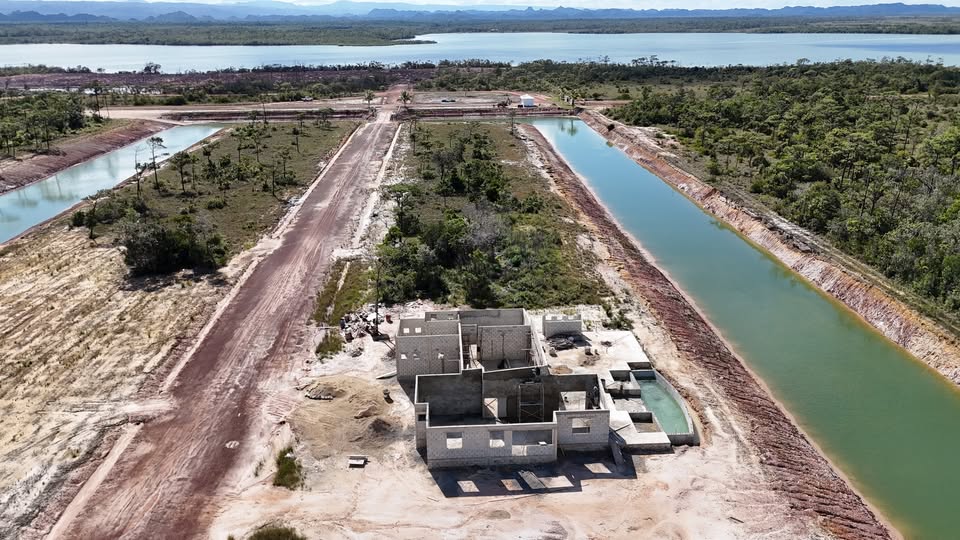
A waterfront homesite in Belize can look like a dream purchase right up until the first serious question lands on the table – what will it actually cost to build?
That is where many buyers either get clarity or get lost. The good news is that Belize is still one of the few Caribbean markets where a thoughtfully designed home can deliver both lifestyle and long-term value. The catch is that there is no single number that fits every lot, every finish level, or every building goal. A retirement home, a seasonal second residence, and a short-term rental property may all sit on the same stretch of water and carry very different budgets.
If you are looking for an example budget to build in Belize, the most useful approach is not a vague national average. It is a realistic planning range that shows where the money tends to go, where costs can move, and what decisions have the biggest impact.
A realistic example budget to build in Belize
Let us use a practical scenario. Imagine a 2,200 square foot waterfront home with 3 bedrooms, 3 bathrooms, an open kitchen and living area, covered outdoor space, impact-rated windows and doors, standard pool-ready site planning, and finish quality aimed at the upper-middle market. In other words, not stripped down, but not overbuilt either.
For that home, a reasonable planning range might look like this:
- Site preparation and foundation: $35,000 to $45,000
- Structure and roofing: $90,000 to $110,000
- Windows, doors, and exterior finishes: $35,000 to $55,000
- Plumbing, electrical, and mechanical: $35,000 to $55,000
- Interior finishes, kitchen, baths, and flooring: $50,000 to $80,000
- Outdoor living areas, driveway, landscaping, and contingencies: $30,000 to $45,000
That puts the build itself in the range of roughly $275,000 to $465,000, or around $125 to $175 per square foot depending on design complexity, imported materials, contractor selection, and finish level.
If you want a pool, dock upgrades, solar additions, custom cabinetry throughout, or premium imported fixtures, the total can move higher. If you keep the footprint efficient, simplify rooflines, and choose durable local materials where possible, you can stay closer to the lower half of the range.
What drives Belize building costs the most
The first major variable is design. Simple rectangular forms with consistent spans, standard window sizes, and efficient plumbing layouts are far more cost-effective than dramatic roof structures, heavy cantilevers, or extensive glass wrapping every wall. In a tropical setting, smart design often beats expensive design anyway. Shade, airflow, and durable exterior materials matter more than flashy complexity.
The second variable is finish level. Buyers often underestimate how quickly kitchens, bathrooms, tile selections, and imported hardware can change the final number. Structural costs are significant, but finishes are where budgets either stay disciplined or drift.
The third is site condition and community standards. Building on a properly planned waterfront homesite inside a development with clear infrastructure and standards can reduce unpleasant surprises. That matters. A lot with known access, sensible grading, and a clear path to utilities is a very different starting point from a remote parcel where every step has to be created from scratch.
Land cost is separate from the home budget
When people ask for an example budget to build in Belize, they are often blending two expenses into one: the lot purchase and the home construction. Those should be evaluated separately.
Land value in Belize varies dramatically based on access, waterfront quality, proximity to airports and services, boating conditions, and whether the community has a coherent long-term plan. Waterfront that is naturally protected, buildable, and positioned for both personal use and rental appeal commands a different kind of value than isolated shoreline with weak infrastructure.
This is one reason buyers are increasingly drawn to planned communities rather than trying to solve every variable on their own. In the right setting, you are not simply buying dirt. You are buying into access, standards, marketability, and a more predictable path to building.
Soft costs buyers should not ignore
The construction line items are only part of the picture. Soft costs deserve real attention because they can easily add 10 percent to 20 percent or more, depending on the project.
Architectural design fees, engineering, permits, legal review, insurance during construction, utility connections, furnishings, and contingency reserves all belong in the early budget conversation. Furnishings are especially easy to underestimate if the home is intended for part-time use or vacation rental. A house may be complete on paper and still need a substantial final spend before it is livable or income-producing.
A healthy rule is to keep a contingency reserve of at least 10 percent. In Belize, as in any coastal market, materials, logistics, weather timing, and scope changes can affect cost. That is not a reason to avoid building. It is a reason to plan with discipline.
A second example budget to build in Belize for a rental-focused home
Now consider a slightly different objective: a 1,600 to 1,800 square foot waterfront home designed specifically for vacation rental appeal. The emphasis here is strong bedroom count, durable finishes, efficient maintenance, attractive outdoor living, and a layout that photographs well and rents well.
A project like that might land in the range of $200,000 to $300,000 for the build, depending on whether you are creating a straightforward single-level plan or adding more custom detail. In some cases, a smaller but sharper rental design can outperform a larger personal residence from an income perspective. That is one of the more interesting trade-offs in Belize.
If your goal is to build once and use the home both personally and as a short-term rental, the smartest budget is usually not the cheapest one. It is the one that balances durability, guest appeal, operating efficiency, and long-term resale value.
Why waterfront communities change the math
Not all building environments in Belize are equal. Waterfront lots inside a secure, master-planned setting can make the budgeting process more predictable for foreign buyers because many of the surrounding variables have already been addressed. Road access, neighborhood consistency, lot proportions, drainage strategy, and building standards all matter when trying to protect value.
That is one reason communities like Coconut Point Belize resonate with both lifestyle buyers and investors. When every homesite is waterfront and the broader plan supports boating access, privacy, and rental flexibility, the build decision is no longer just about cost per square foot. It becomes about what that square footage is sitting on, and how well the community supports future demand.
For many US and Canadian buyers, that is the real shift. They are not comparing Belize only to Belize. They are comparing it to what similar waterfront living would cost elsewhere in the Caribbean, or in Florida, or in retirement markets where property taxes and holding costs are far less forgiving.
How to keep your budget under control
The best way to stay on budget is to make the big decisions early. Choose your square footage carefully. Keep the structural form efficient. Decide where you want to spend for impact and where you want to stay practical. In a tropical home, buyers tend to get the best return from great outdoor living areas, high-quality windows and doors, durable surfaces, and kitchens and baths that feel clean and current without becoming overly custom.
It also helps to work with professionals who understand local construction realities. Recommended architects and contractors can save far more than they cost by helping you avoid mismatched designs, unnecessary imports, and expensive revisions during construction.
Patience matters too. Rushing design decisions usually creates budget creep. The buyers who tend to fare best are the ones who treat the process as both a lifestyle move and a capital decision.
So what should you budget first?
If you want a working number before engaging architects and builders, many buyers begin with this framework: establish your lot budget, estimate your desired home size, assign a realistic per-square-foot construction range, add 15 percent to 20 percent for soft costs and contingency, then test whether the final number still aligns with your goals.
For a well-designed waterfront home in Belize, that usually means planning seriously rather than optimistically. A modest home can absolutely be done. A luxury home can also make sense. The difference lies in whether the design, location, and intended use are aligned from the start.
The smartest buyers do not ask only, “What will it cost me to build?” They also ask, “What kind of home will hold value, fit my life, and make sense in this market five years from now?” That is the question that tends to lead to the better outcome.


