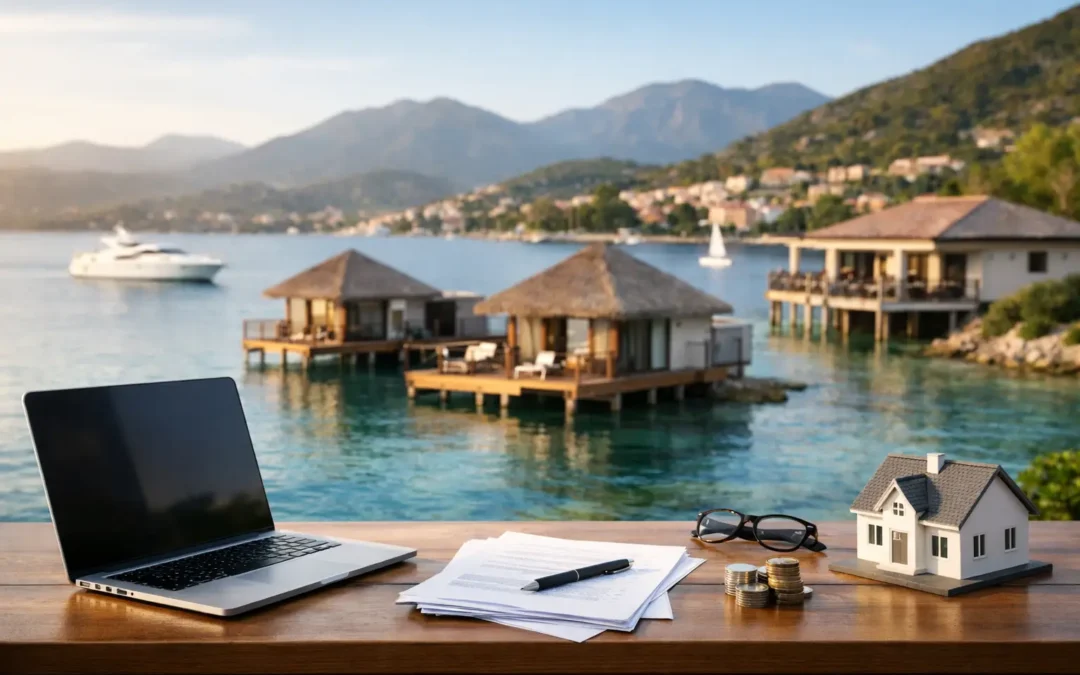
A waterfront rental abroad can look spectacular on a brochure and still disappoint on a spreadsheet. The view may be perfect, the water may be steps away, and the destination may feel like a dream – but profitability comes down to a smaller set of realities: occupancy, nightly rate, operating costs, local rules, and how easily guests can get there.
So, are waterfront rentals profitable abroad? Often, yes. But they are not automatically profitable, and they are rarely profitable for the reasons buyers first imagine. The strongest performers tend to be in destinations where waterfront access is genuinely scarce, tourism demand is durable, purchase costs still make sense, and the property can be operated without constant friction.
Are waterfront rentals profitable abroad in real terms?
The short answer is that they can be very profitable when the asset serves both emotion and economics. Waterfront has a built-in premium. Guests pay more for a dock, sunset views, swimmable water, boating access, and the sense of privacy that comes with being on the edge of something open and beautiful.
That premium matters most when it is defendable. Not every “waterfront” property has the same rental power. A home on a protected canal with easy boat access and strong storm shelter can outperform a property with open exposure if guests value convenience and owners value reduced weather risk. A bayfront lot may command stronger lifestyle appeal, while a canal-front setting may be easier to build around and maintain. Profitability is not just about being near water. It is about what kind of waterfront the guest experiences and what kind of operating burden the owner inherits.
For many investors, the real opportunity abroad comes from buying waterfront in markets where acquisition costs are still relatively attractive compared with comparable coastal markets in the US. If the purchase basis is lower and demand is healthy, the path to solid yield becomes much more realistic.
What actually drives rental income
Investors sometimes fixate on nightly rates because they are easy to compare. The better question is revenue per available night across an entire year. A property that rents for a premium during peak season but sits half-empty for months may underperform a slightly less glamorous home in a destination with longer seasonal demand.
Accessibility is a major factor. If guests can reach the property without a complicated chain of flights, ferries, and transfers, booking friction drops. That matters more than many buyers expect. A beautiful waterfront community within reasonable reach of an international airport often has an advantage over a more remote destination that feels difficult to access.
The second driver is guest appeal beyond the view. Travelers want usable waterfront, not just visual waterfront. They book boating, paddleboarding, fishing, wildlife experiences, sunset dining, and easy indoor-outdoor living. The best-performing homes give guests a full Caribbean experience rather than a backdrop.
Then there is product-market fit. A two-bedroom villa aimed at couples may book differently than a larger waterfront home designed for families or group travel. Profitability improves when the home matches the demand profile of the destination instead of copying whatever looks good on social media.
The costs that shape the answer
This is where many overseas rental calculations become overly optimistic. Gross rental revenue can look exciting, but net profitability depends on what remains after management, maintenance, utilities, insurance, taxes, cleaning, marketing, and turnover costs.
Waterfront ownership usually carries a maintenance premium. Salt air, humidity, docks, boats, landscaping, drainage, and exterior finishes all require attention. That does not make waterfront a poor investment. It simply means investors should underwrite it honestly.
Management is another major variable. If you do not live nearby, you need a reliable local team. That includes not only guest-facing operations but also vendors who can respond quickly when something breaks. A property in a well-planned community with strong standards and local service connections often has an operational edge over a standalone home in a less organized setting.
Insurance and weather exposure also matter. In tropical markets, buyers should pay close attention to how a site is protected. Calm, naturally sheltered waterfront can reduce practical headaches and help preserve long-term appeal. A property that photographs beautifully but faces harsher conditions may cost more to own than expected.
Why some abroad markets outperform others
Not all international waterfront markets offer the same equation. Some are mature and expensive, which can compress yields even if rental demand is strong. Others are affordable but lack sufficient tourism volume, infrastructure, or buyer confidence. The sweet spot is a destination where natural beauty, growing demand, and favorable purchase economics still align.
Belize often enters the conversation for that reason. It offers English-speaking familiarity, Caribbean lifestyle appeal, strong tourism interest, and relatively approachable ownership for foreign buyers. For US and Canadian investors, it also has the practical advantage of being closer and simpler than many farther-flung island markets.
That said, even within Belize, quality varies significantly. The profitable rental is usually not the cheapest parcel or the most dramatic listing photo. It is the property in the location that balances access, security, boating conditions, community planning, and future resale appeal. A master-planned waterfront setting with balanced building standards and rental-friendly policies can create a more durable investment case than an isolated property with no surrounding cohesion.
Are waterfront rentals profitable abroad if you build instead of buy turnkey?
Sometimes building is the smarter play, especially when land pricing leaves room for value creation. But building abroad introduces another layer of execution risk. You need the right lot, the right design, the right budget discipline, and the right local team.
The advantage is control. You can design for rental performance from day one. That means covered outdoor living, lockable owner storage, low-maintenance finishes, strong airflow, durable materials, and a layout that works equally well for personal use and guest stays. Those decisions can meaningfully improve both occupancy and margins.
The downside is timing. A turnkey rental can start generating revenue sooner, while a new build requires patience and oversight. For buyers with a longer horizon, that trade-off may be worth it if the finished product is better aligned with premium guest demand.
This is one reason planned waterfront communities can be especially attractive. When a development supports short-term rentals, guides owners toward trusted architects and contractors, and protects long-term visual standards, building becomes less uncertain. Coconut Point Belize is a clear example of that model – direct-waterfront homesites, protected boating conditions, and community standards that help preserve marketability over time.
The most profitable waterfront rentals share a few traits
They are easy to market because the location feels distinct. They are easy to operate because the logistics are manageable. And they are easy to resell because future buyers can see both the lifestyle and the income story.
Notice what is missing from that list: hype. The best waterfront rentals abroad are not built on inflated projections. They are built on a durable combination of scarcity, access, usability, and disciplined ownership costs.
Properties with year-round appeal tend to have an advantage over highly seasonal destinations. So do homes inside secure, well-maintained communities where guest experience is more predictable. Waterfront that supports actual activity – boating, paddleboarding, wildlife viewing, fishing, sunset cruising – tends to command stronger repeat demand than waterfront that is beautiful but passive.
When the answer is no
There are cases where waterfront rentals abroad are not profitable enough to justify the capital. If local regulations change, if travel demand weakens, if maintenance costs are unusually high, or if the property sits in a market with too much comparable inventory, returns can soften fast.
The same is true when buyers overpay at entry. A strong rental market cannot always rescue a weak purchase. Profit is made partly in operations, but it is also made in the basis you lock in on day one. Buyers who enter at compelling land values in emerging but credible waterfront communities often have more room for appreciation and healthier long-term math.
It is also worth being honest about your own goals. If you want heavy personal use during peak season, your rental income will likely be lower. That does not make the investment unsuccessful. It just changes the definition of return. For many owners, the real value is mixed – part income, part appreciation, part lifestyle.
The smartest way to evaluate an overseas waterfront rental is to stop asking whether waterfront is profitable in the abstract and start asking whether this specific location, at this specific price, with this specific operating model, gives you enough upside for the risk. When the answer is backed by protected waterfront, strong access, rental flexibility, and a community built to hold value, the opportunity can be far more than scenic. It can be quietly exceptional.


